

A house rarely collapses overnight. Instead, it whispers before it cries for help. A slight creak in the floorboards, a faint musty odor near the baseboards, or a minor discoloration on the ceiling are easy to dismiss during the rush of daily life. However, ignoring these minor anomalies now frequently leads to catastrophic bank account drains later.
Many homeowners overlook early warning signs simply because they do not know what to look for, or they mistake a major structural issue for standard house settling. A property is an interconnected ecosystem. A small failure in one system can trigger a domino effect that compromises the integrity of the entire structure. This guide will walk you through the exterior, interior, and systemic warning signs that your home is flagging for immediate professional attention, providing you with the knowledge needed to intervene before a minor fix turns into an expensive emergency renovation.
Roof and Exterior Shell: Spotting Overhead Vulnerabilities
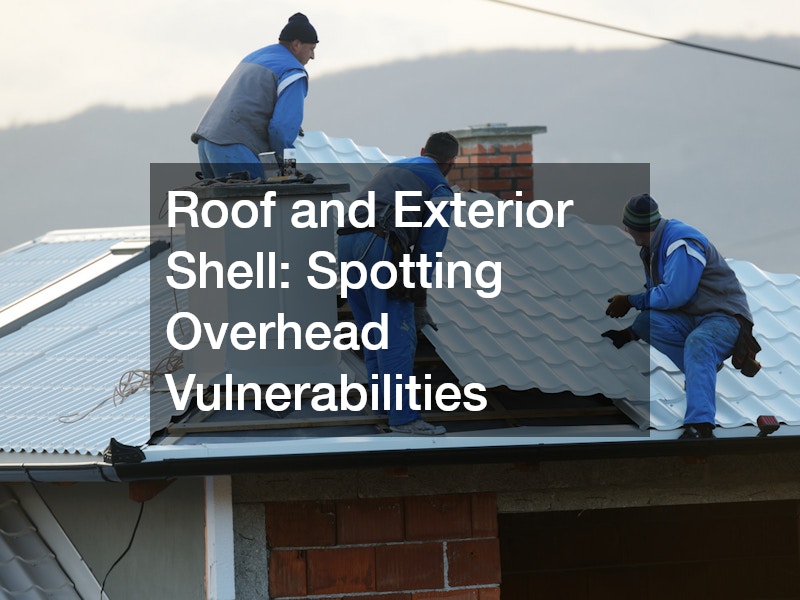
Your roof and exterior siding form the primary envelope of defense against weather extremes. When this outer shell is compromised, moisture introduces itself to the wooden framing of your home, setting off a quiet chain reaction of rot and structural weakening.
Identifying Sagging, Discoloration, and Granule Loss
Inspecting your roof does not necessarily require climbing a ladder. In fact, a safe and highly effective method is to grab a pair of binoculars and conduct a thorough visual audit from the safety of the ground. Look closely at the straight lines of your roof. Any dipping, sagging, or curving along the ridge line indicates that the underlying decking or rafters are warping, often due to prolonged moisture exposure.
On the shingles themselves, look for bald spots where the protective ceramic granules have rubbed off. If you notice dark, dirty-looking patches or if you find a large accumulation of sandy granules in your gutters, your shingles are reaching the end of their lifespan. When shingles lose their granules, the sun’s ultraviolet rays bake the underlying asphalt, making it brittle and highly susceptible to cracking. Addressing these flaws promptly by scheduling professional roof repairs will prevent water from migrating into your attic and damaging your insulation.
Assessing Impact After Severe Weather
High winds, heavy downpours, and hail can inflict immediate, severe damage that might not cause an obvious indoor puddle for weeks. After any major storm event, it is critical to step outside and check the perimeter of your home. Look for displaced flashing around chimneys and skylights, cracked fascia boards, or shingles that have peeled back entirely.
Even if your roof appears intact from a distance, hail can leave bruise marks that rupture the fiberglass matting underneath. These hidden punctures allow slow, persistent micro-leaks to develop. Seeking a professional evaluation for storm damage repair ensures that insurance claims can be filed accurately and that hidden structural vulnerabilities are sealed before mold takes hold inside your walls.
Foundation and Surrounding Earth: Ground-Level Red Flags

The ground beneath your feet is constantly shifting, but your home is engineered to remain stationary. When the soil expands, contracts, or erodes unevenly, it places immense stress on the concrete and asphalt surfaces surrounding and supporting your property.
Distinguishing Settling Cracks from Structural Failure
Every house experiences a minor degree of settling during its first few years, but deep or expanding cracks are indicative of a much larger issue. As a general rule, thin, hairline fractures that run horizontally along concrete walls are rarely an immediate emergency. However, stair-step cracks that follow the mortar lines in brickwork or concrete block foundations are classic signs of structural shifting.
You should also pay close attention to how your home behaves internally. If doors suddenly begin to stick in their frames, or if windows that used to slide open smoothly are now jammed tight, the frame of your house is twisting out of alignment. This distortion happens when one corner of the foundation sinks faster than the rest, requiring structural stabilization to halt further movement.
Monitoring Soil Separation and Moisture Retention
Beyond the concrete itself, the behavior of the dirt directly abutting your foundation walls provides critical clues about your home’s structural health. During dry summer months, look for a visible gap opening up between the edge of the soil and your foundation. This indicates severe soil shrinkage, which deprives the heavy concrete footing of the lateral support it requires to stay stable. Conversely, if the earth surrounding your home remains perpetually soggy, muddy, or mossy even days after a rainstorm, your yard suffers from poor drainage or a high water table. This trapped moisture expands during winter freeze-thaw cycles, exerting immense lateral pressure against your basement walls and causing them to bow inward over time.
Correcting Sunken Driveways and Cracked Walkways
The condition of your exterior pathways does more than dictate your home’s curb appeal; it directly influences how water interacts with your foundation. Over time, heavy vehicles and shifting subsoils cause driveways, sidewalks, and patios to sink or tilt toward the house rather than away from it. When this happens, rainwater is channeled directly against your foundation walls, building up hydrostatic pressure that eventually forces water through solid concrete.
If you notice deep cracking, buckling, or significant low spots where puddles linger for days, it is time to look at professional resurfacing options. Hiring experienced asphalt pavers ensures that your driveway is graded correctly with a proper slope, directing destructive runoff safely away from your basement and crawlspaces.
Plumbing and Drainage: Subterranean and Internal Warning Signs

Plumbing systems are largely hidden behind drywall and beneath floors, making them incredibly easy to ignore until a pipe bursts. However, your drainage system will almost always give you advanced warning when a major blockage or structural failure is brewing deep underground.
When Liquid Drain Cleaner Isn’t Enough
A single slow drain in a bathroom sink is usually just a localized clog caused by hair or soap scum. However, when multiple fixtures throughout the lower level of your home drain slowly, gurgle, or back up simultaneously, you are dealing with a systemic issue in your main sewer line.
-
Frequent toilet backups that require constant plunging.
-
Gurgling noises are coming from the shower drain when the washing machine empties.
-
Persistent sewer odors originating from floor drains or basement sinks.
Repeatedly pouring harsh chemical drain openers down your pipes will eventually corrode your plumbing material from the inside out. When localized fixes fail, it is time to invest in comprehensive plumbing services to locate the root cause. For severe blockages caused by thick tree roots, heavy grease buildup, or accumulated mineral scale, modern technicians utilize hydro jetting to blast the interior of the lines clean with high-pressure water, restoring the full diameter of your pipes without damaging the system.
Eliminating Guesswork with High-Tech Scopes
In the past, diagnosing a broken underground pipe required digging up massive trenches across manicured lawns and driveways based on mere guesswork. Today, advanced diagnostic technology allows plumbers to see exactly what is happening hundreds of feet inside a pipe without disturbing a single blade of grass.
By deploying camera inspection services, a technician can feed a flexible, high-resolution fiber-optic camera directly into your sewer main. The real-time video feed allows you to see precisely where a pipe has bellied, cracked, or collapsed. This accurate assessment saves thousands of dollars by identifying the exact point of failure, turning what could have been a blind excavation project into a highly targeted, efficient repair.
Climate Control and Utilities: Optimizing Efficiency and Comfort

Your heating and cooling systems are mechanical workhorses that keep your interior environment safe and comfortable. When these systems begin to fail, they do not just make your rooms uncomfortable; they consume massive amounts of excess energy and can introduce dangerous gases into your living spaces.
Deciphering Short-Cycling and Uneven Airflow
If your furnace or air conditioner turns on and off every few minutes without ever truly cooling or heating your home to the desired temperature, the system is short-cycling. This behavior places immense mechanical strain on the compressor and blower motor, leading to premature equipment failure.
Uneven airflow, where one room feels like an icebox while another feels like a sauna, points to leaky ductwork, failing zone dampers, or an improperly sized climate system. Strange noises are another clear indicator that things are going awry. Squealing sounds usually indicate a slipping belt, while loud clanking or banging points to loose internal components that can destroy the unit if left unaddressed. Booking professional HVAC services at the first sign of these performance drops can prevent a total system breakdown during the hottest or coldest days of the year.
Addressing Irregular Fuel and Power Consumption
A sudden, inexplicable spike in your monthly utility statements is a definitive indicator that your mechanical equipment is fighting against an internal failure. If you utilize liquid fuel systems to keep your property warm during the winter months, unexpected drops in fuel levels indicate that your burner is operating at a highly inefficient rate or that a line is compromised.
-
Soot is accumulating around the base of your heating unit or vents.
-
A strong, oily aroma lingering in the basement or utility closet.
-
The burner is cycling on frequently, even when the indoor temperature is stable.
If you rely on bulk fuel deliveries, keeping a close eye on your heating oil usage patterns is essential. When consumption jumps drastically without a corresponding drop in outdoor temperatures, it means your equipment is working twice as hard to produce the same amount of heat, signaling that a professional calibration or repair is overdue.
Water Heating and Roofing Longevity: Critical Home Maintenance
As components of your home reach the end of their engineered lifespans, they require careful monitoring. Two of the most critical systems to watch are your water heater and the overarching protective material of your roof, as failures in these areas can result in rapid, widespread property damage.
Managing Rusty Water and Lukewarm Showers
A standard tank-style water heater has an average lifespan of eight to twelve years. Inside the tank, a sacrificial anode rod attracts corrosive elements in the water to protect the steel lining. Once that rod is completely depleted, the water begins eating away at the tank itself.
If you turn on your bathtub faucet and notice a distinct amber or rusty tint to the hot water, your tank is actively corroding. This internal degradation is often accompanied by popping or rumbling noises from the basement, caused by sediment baking at the bottom of the tank. Because a ruptured tank can instantly dump dozens of gallons of water into your home, noticing these signs early allows you to plan for water heater replacements on your own terms rather than dealing with an emergency cleanup situation.
Selecting Comprehensive Protection for the Long Haul
While minor leaks can occasionally be patched, there comes a point where temporary fixes are no longer cost-effective or safe. If your roof is more than two decades old and has suffered recurring leaks, continuous patching simply masks broader systemic degradation underneath.
When water continuously penetrates the upper deck, it destroys the structural plywood beneath the shingles, leading to soft spots that can cave in under heavy loads. In these scenarios, investing in comprehensive roof repair services from an established contractor is the only way to ensure your property remains completely dry. A full tear-off and replacement completely restores the weather barrier, protects your attic insulation, and safeguards your home’s resale value for decades to come.
Your home is a complex network of moving parts, structural materials, and utility systems that work together to provide safety and comfort. Because these systems depend heavily on one another, a failure in your plumbing can quickly compromise your foundation, just as a neglected roof leak can ruin your ceilings and electrical wiring.
By implementing a mindful, seasonal walkthrough of your property and keeping an eye out for these subtle indicators, you can catch structural and mechanical flaws while they are still manageable. The most cost-effective home repair is always the one performed early. Developing a relationship with trusted local service professionals and addressing warning signs head-on ensures that your investment remains secure, efficient, and comfortable for the long haul.