

A well-designed home does more than provide shelter. It shapes how people move, live, and interact within their space every day. When rooms feel disconnected or outdated, daily routines often become less efficient and less enjoyable. Thoughtful updates through home remodeling can address these challenges by improving comfort, usability, and visual appeal at the same time. Many homeowners begin by noticing small frustrations, such as cramped walkways, insufficient storage, poor lighting, or finishes that no longer reflect their style. Over time, these minor inconveniences can accumulate and make a home feel less functional than it should be.
Improving a living space requires both creativity and planning, often supported by remodeling services. It is not simply about changing how things look but also about improving how they work. For example, open layouts can encourage better flow between rooms, while updated surfaces and systems can increase convenience and long-term reliability. Even subtle changes, such as improved lighting placement or more durable materials, can dramatically shift how a space feels and performs.
Functionality is just as important as style. A visually appealing space that does not support daily needs will quickly lose its value to the people living in it. Likewise, highly practical spaces designed by bathroom remodeling companies may feel more efficient, while others lacking aesthetic appeal may feel uninspiring. The best results come from balancing both priorities. Materials, colors, textures, and layouts should all work together to create a comfortable and practical environment.
As lifestyles evolve, homes must adapt as well through kitchen remodeling. Whether accommodating growing families, remote work setups, or changing accessibility needs, living spaces should be flexible enough to support different phases of life. This adaptability is often achieved through careful planning and intentional upgrades that focus on both present and future needs.
The following sections explore key areas where strategic improvements, including countertop installation, can significantly enhance both style and function throughout a home.
Whole-Home Layout Transformations for Better Flow
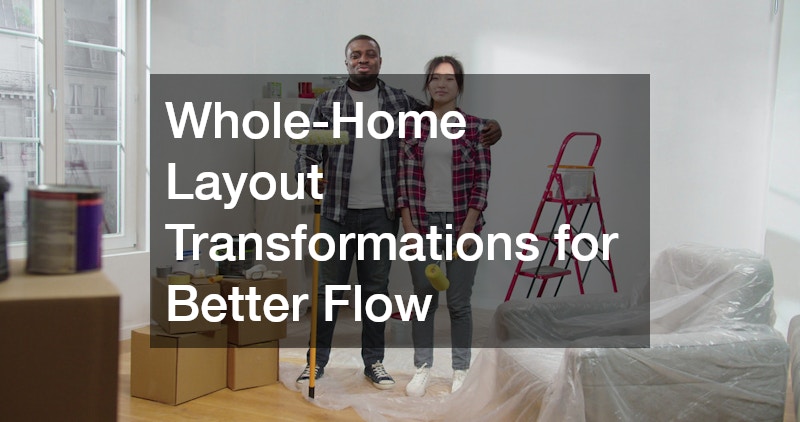
Reworking the overall layout of a home can dramatically improve how people experience their space. A local painter can often contribute to the finishing stage of these transformations, ensuring visual continuity throughout redesigned areas. When rooms are arranged in a way that supports natural movement, daily activities become easier and more intuitive. Poor layouts often create bottlenecks, underused areas, or awkward transitions between key living spaces. Addressing these issues can make even older homes feel more modern and comfortable.
One of the most impactful changes involves rethinking how common areas connect. Open-concept designs, for example, can reduce barriers between kitchens, dining areas, and living rooms. This encourages better interaction and allows natural light to travel further through the home. However, open layouts are not the only solution. In some cases, partial openings or reconfigured doorways can achieve better balance while maintaining privacy where needed.
Storage placement also plays a major role in improving flow, often supported by a carpet installer during finishing stages. When belongings have designated, accessible spaces, rooms remain uncluttered and easier to navigate. This reduces visual distractions and enhances the overall sense of order. Additionally, adjusting traffic patterns can help reduce congestion in high-use areas such as entryways and hallways.
Ceiling height, lighting placement, and furniture positioning all contribute to how a layout functions, often requiring input from flooring contractors. Small adjustments in these areas can create a noticeable difference in comfort and usability. The goal is to create a space where movement feels natural and every area serves a clear purpose without unnecessary obstacles.
Professional Help for Large-Scale Renovation Projects
Major home updates often require coordination across multiple areas of expertise, including plumbing service and other trades. Structural adjustments, design planning, material selection, and scheduling must all align for a project to succeed. This is where experienced renovation professionals become essential. They help manage complexity while ensuring that each phase of the work progresses smoothly.
Large projects typically involve multiple trades working together, including electrical contractors, which can quickly become difficult to coordinate without proper oversight. A structured approach helps prevent delays, miscommunication, and costly errors. Clear planning at the beginning of a project also ensures that expectations remain consistent from start to finish.
Budget management is another key advantage of working with experienced teams. Renovation projects often evolve as work progresses, and having guidance helps maintain financial control while still allowing for necessary adjustments. Professionals can also anticipate potential challenges before they become major issues, saving both time and resources.
Design consistency is equally important. When multiple rooms are being updated at once, it is easy for styles and finishes to become disjointed. A cohesive plan ensures that all areas complement each other, creating a unified look throughout the home. This attention to detail enhances both visual appeal and long-term value.
Modern Bathroom Upgrades for Comfort and Efficiency
Bathrooms are among the most frequently used spaces in any home, often improved through bathroom remodeling companies. Their functionality is especially important. Modern updates often focus on improving comfort, water efficiency, and storage capacity. These improvements can transform a basic bathroom into a more relaxing and practical environment.
Layout adjustments can make a significant difference in usability. Expanding shower areas, repositioning fixtures, or improving circulation space can create a more open and comfortable feel. Even in smaller bathrooms, smart design choices can maximize available space without sacrificing convenience.
Upgraded fixtures also play a major role in enhancing performance. Water-saving faucets, improved shower systems, and efficient toilets can reduce utility usage while maintaining strong functionality. These upgrades are particularly valuable for households looking to balance comfort with sustainability.
Storage solutions are another key consideration. Built-in shelving, vanity drawers, and recessed storage can help reduce clutter and improve organization. A well-organized bathroom feels larger and more efficient, even if the physical size remains unchanged.
Lighting and ventilation should not be overlooked. Proper illumination improves visibility and ambiance, while effective ventilation helps maintain air quality and prevents moisture-related issues. Together, these elements contribute to a more comfortable and durable space.
Upgrading Culinary Spaces for Style and Functionality

The kitchen often serves as the central hub of the home, making kitchen remodeling especially important. A well-planned kitchen supports cooking efficiency, social interaction, and daily convenience. Improvements in this area can have a significant impact on overall household experience.
Workflow is a key factor in kitchen design. Positioning key zones such as preparation, cooking, and cleaning areas in a logical sequence reduces unnecessary movement and improves efficiency. This layout approach is often referred to as the work triangle, and it remains a foundational principle in kitchen planning.
Storage is another critical component. Cabinets, drawers, and pantry systems should be designed to accommodate both everyday items and long-term storage needs. Easy access to frequently used tools and ingredients can streamline meal preparation and reduce clutter.
Surface materials, including countertop installation, also play an important role. Durable, easy-to-clean finishes help maintain hygiene while enhancing visual appeal. Counter surfaces should balance durability with style, as they are one of the most frequently used areas in the kitchen.
Lighting enhances both function and atmosphere. Task lighting improves visibility during food preparation, while ambient lighting creates a welcoming environment for dining and gathering. A layered lighting approach ensures flexibility for different activities.
Enhancing Surfaces with Durable Stone and Solid Finishes
Surface materials significantly influence both the appearance and durability of interior spaces. High-quality stone and solid finishes are often chosen for their strength, longevity, and timeless appeal. These materials can elevate the overall aesthetic while providing practical benefits.
Durability is one of the most important considerations when selecting surfaces. High-traffic areas require materials installed with precision from flooring contractors that can withstand daily wear without losing their appearance. Stone surfaces, in particular, offer excellent resistance to scratches, heat, and stains when properly maintained.
Aesthetic variety is another advantage. Natural patterns and textures create visual interest and add character to a space. Whether aiming for a modern or traditional style, there are surface options that can complement a wide range of design preferences.
Installation quality also plays a major role in performance. Proper fitting ensures stability, reduces long-term maintenance issues, and enhances overall appearance. Even high-quality materials can underperform if not installed correctly.
Refreshing Interiors with Color and Finish Improvements
Color and finish updates, often completed with the help of a local painter, are among the simplest yet most effective ways to transform interior spaces. A fresh coat of paint or updated finish can completely change the mood of a room without requiring major structural changes. These updates are often used to modernize outdated interiors or personalize newly purchased homes.
Color selection plays a key role in setting tone and atmosphere. Lighter shades can make rooms feel larger and more open, while deeper tones add warmth and sophistication. Coordinating colors across multiple rooms helps create a cohesive flow throughout the home.
Surface preparation is essential for achieving a high-quality result. Proper cleaning, sanding, and priming ensure that finishes adhere correctly and last longer. Skipping these steps can lead to uneven results or premature wear.
Finishes also influence durability and maintenance. Matte, satin, and gloss finishes each offer different advantages depending on the room and usage level. High-traffic areas often benefit from more durable finishes that are easier to clean.
Comfort-Focused Floor Solutions for Every Room
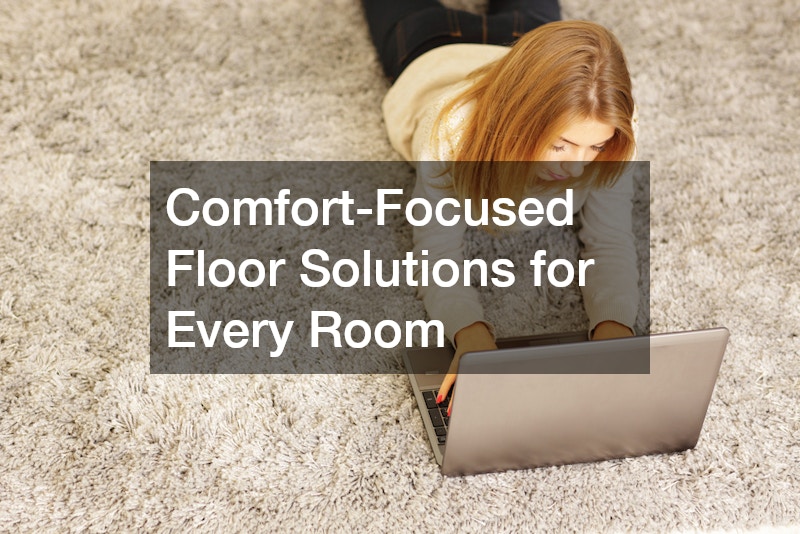
Flooring plays a foundational role in both comfort and design, often completed by a carpet installer or flooring contractor. It affects how a space feels underfoot, how it looks visually, and how well it withstands daily use. Selecting the right flooring solution requires balancing comfort, durability, and style.
Soft flooring options can enhance comfort in bedrooms and living areas. These surfaces provide warmth and cushioning, making spaces more inviting. They also help reduce noise, which can improve overall home comfort.
Texture and material choice influence both appearance and functionality. Different flooring types offer unique benefits, from softness to resilience. Selecting the appropriate material for each room ensures better long-term performance.
Installation quality is critical for achieving a smooth and durable finish. Proper alignment and secure fitting prevent issues such as uneven surfaces or premature wear.
Durable Flooring Options for Long-Term Value
Long-lasting flooring solutions are essential for maintaining both appearance and functionality over time. Durable materials help reduce the need for frequent replacements and repairs, making them a practical investment for any home.
Hard surface flooring is often chosen for high-traffic areas due to its strength and resilience. These materials can withstand heavy use while maintaining their appearance. They are also available in a wide range of styles, allowing for flexibility in design.
Moisture resistance is another important factor, particularly in areas such as kitchens, bathrooms, and entryways. Choosing materials that resist water damage helps prevent long-term structural issues and maintenance costs.
Consistency in installation ensures a polished final look. Proper leveling and secure placement help prevent gaps, shifting, or uneven surfaces over time. This contributes to both safety and aesthetics.
Essential System Updates for Reliable Water Flow
Reliable water systems are essential for everyday household function, often requiring a plumbing service. From cooking and cleaning to bathing and laundry, consistent water flow supports nearly every aspect of daily life. When issues arise, they can quickly disrupt routines and cause significant inconvenience.
Upgrading pipes, fixtures, and connections can improve both efficiency and reliability. Older systems may experience leaks, reduced pressure, or inconsistent performance. Addressing these issues early helps prevent more serious damage over time.
Water efficiency is also an important consideration. Modern fixtures are designed to reduce waste while maintaining strong performance. This helps lower utility costs and supports more sustainable household practices.
Regular inspection and maintenance can identify potential problems before they escalate. Small leaks or minor blockages can often be resolved quickly when detected early, preventing larger system failures.
Safe and Efficient Electrical System Enhancements

Electrical systems form the backbone of modern living, powered safely by electrical contractors. Ensuring these systems are safe and efficient is critical for both functionality and safety.
Older wiring and outdated panels can struggle to meet current energy demands. Upgrading these systems improves reliability and reduces the risk of overloads or electrical hazards. It also ensures compatibility with modern appliances and technology.
Lighting design is another important factor. Efficient lighting solutions can reduce energy consumption while improving visibility and ambiance. Strategic placement enhances both function and comfort in each room.
Safety is a top priority in all electrical work. Proper grounding, secure connections, and code compliance help prevent hazards such as electrical fires or shocks. Regular inspections can identify potential issues before they become dangerous.
Efficiency improvements can also include smart systems and automated controls. These technologies offer greater convenience and allow homeowners to manage energy usage more effectively.
Improving a home is a long-term investment in comfort, functionality, and quality of life. When thoughtfully planned, upgrades can transform how a space feels and performs without compromising its character. Every area of a home contributes to the overall experience, from how rooms connect to how systems operate behind the walls.
Successful improvements rely on a balance between design and practicality. Visual appeal matters, but it must work alongside durability, efficiency, and usability. When these elements are aligned, a home becomes easier to live in and more enjoyable to spend time in. Small changes can make meaningful differences, while larger updates can redefine how an entire household functions.
Ultimately, enhancing a home is about creating a better environment for living. When design, structure, and function come together, the result is a space that supports both present needs and future growth.