Pouring Monolithic Shells and Plumbing Hydrotherapy Jets
Integrating an inground aquatic retreat into an outdoor living space significantly enhances recreational value and daily relaxation, but constructing an inground basin demands rigorous engineering and site planning. Backyard soil conditions vary widely across property lines, exposing underground structures to expansive clay movements, hydrostatic groundwater uplift, and uneven settlement. If an outdoor basin lacks adequate structural reinforcing or uniform subgrade compaction, structural shells can crack, shift out of level, and trigger costly leaks below surrounding hardscapes. In addition, coordinating subterranean hydraulic runs, electrical feeds, and automated filtration arrays requires precise sequencing before heavy construction materials are permanently placed.
Executing a custom pool project demands specialized equipment, geotechnical insight, and comprehensive construction management. Partnering with seasoned
swimming pool installers guarantees that structural excavation depths match engineered blueprints and that reinforced steel rebar cages are tied to exact clearance specifications. Installation crews pneumatically apply high-density shotcrete or gunite to build a seamless, monolithic basin shell, pressure-testing all underlying plumbing runs to prevent subterranean leaks. Integrating multi-port hydrotherapy jets, energy-efficient variable-speed circulation pumps, automated salt chlorination systems, and textured perimeter coping creates a durable, low-maintenance aquatic feature built for decades of reliable use.
Testing Thermal Fuses and Clearing Restricted Exhaust Ducts

Residential laundry appliances run frequently throughout the week, handling heavy textiles under sustained thermal and mechanical demands. Modern clothes dryers combine high-draw heating elements or gas burners with rapid centrifugal rotation and forced air movement. Over time, internal drive belts stretch, roller bearings wear down, and fine textile lint bypasses primary mesh filters, gathering in heating chambers and exhaust conduits. When ductwork becomes restricted with compacted lint, exhaust air cannot escape efficiently, causing operating temperatures to spike and triggering automatic thermal safety shutoffs. Beyond wasting electricity through extended drying cycles, lint buildup inside hot exhaust paths remains a leading cause of residential structural fires.
Restoring laundry appliance efficiency and eliminating household fire hazards demands targeted mechanical diagnostics and specialized cleaning tools. Scheduling professional
dryer repair ensures that factory-trained technicians test safety thermostats, inspect thermal fuses, and replace worn drive belts or noisy drum support rollers. Technicians use rotary brushes and high-powered vacuum collection systems to clear dense lint blockages from internal blower housings and exterior wall duct terminations. Calibrating heating elements, checking gas burner ignition coils, and replacing flexible foil transitions with rigid metal ducting restores optimal airflow, cuts cycle times, and keeps the laundry area safe.
Profiling Concrete Pores and Broadcasting Decorative Flakes
Interior concrete slabs in residential garages, basements, and utility rooms endure continuous vehicle traffic, thermal changes, and exposure to corrosive chemicals. Standard concrete is inherently porous, absorbing motor oil, transmission fluid, road salt, and ground moisture through capillary action. Over repeated seasonal freeze-thaw cycles, trapped moisture expands, causing surface spalling, hairline cracking, and continuous concrete dusting that tracks into adjacent living areas. Traditional consumer-grade paints lack the adhesion to withstand hot tire pickup and moisture vapor pressure, quickly blistering, peeling, and leaving bare concrete exposed.
Upgrading an unfinished slab into a resilient, showroom-quality surface requires diamond mechanical grinding and industrial-grade resin systems. Hiring an expert
epoxy coating service ensures that the entire slab is profiled with heavy rotary diamond grinders to remove old sealers, level high spots, and open concrete pores for maximum mechanical adhesion. Installers repair cracks and surface spalls with fast-curing polyurea compounds before rolling a 100-percent solids base coat and broadcasting decorative vinyl color flakes to rejection. Applying an ultraviolet-stable clear polyaspartic topcoat creates a seamless, non-porous floor that resists hot-tire lift, repels automotive fluids, and wipes clean with minimal maintenance.
Replacing Corroded Risers and Installing Isolation Valves
A home’s pressurized water distribution system quietly delivers potable water to plumbing fixtures under continuous pressures between forty and sixty pounds per square inch. While these supply lines remain concealed behind finished walls and beneath subfloors, copper joints, brass valves, and threaded fittings experience constant hydraulic stress. Water hammer shocks, dissolved minerals, and acidic water chemistries steadily corrode metal pipe walls, eventually causing hidden pinhole leaks. Left undetected, slow moisture leaks rot structural joists, ruin ceiling drywall, and encourage hidden colonies of toxic mold inside wall cavities long before water spots appear.
Pinpointing concealed supply leaks and upgrading plumbing lines requires non-invasive acoustic detection, thermal imaging, and durable piping materials. Calling experienced
plumbers ensures that hidden leaks behind drywall or beneath foundation slabs are located without unnecessary demolition. Technicians replace corroded copper or brittle plastic pipes with flexible cross-linked polyethylene (PEX) tubing, which resists mineral corrosion, dampens water hammer shocks, and handles freeze-thaw cycles without bursting. Installing quarter-turn brass shutoff valves, whole-home water pressure regulators, and automatic shutoff sensors protects the property from catastrophic pipe bursts and keeps domestic water systems reliable.
Digging Deep Postholes and Aligning Boundary Panels

Perimeter boundary fencing serves as the initial physical barrier protecting residential grounds, defining legal property borders while providing essential security, privacy, and wind buffering. Over years of seasonal exposure, boundary enclosures endure severe wind loads, ground heave, and surface moisture that degrade structural integrity. Wood posts set directly into moist soil inevitably succumb to subterranean fungal decay, leading to leaning panels, warped gate frames, and loosened hardware. If a boundary line fails during a severe storm, falling fence sections can damage adjacent landscaping, expose private amenities to unauthorized access, and create boundary liabilities with neighboring lots.
Installing a resilient boundary barrier requires deep post excavation, proper hardware selection, and precision alignment. Investing in professional
fence installation guarantees that heavy corner and gate posts are dug below local frost lines and secured in bell-shaped concrete footings with gravel drainage bases to prevent frost heaving. Experienced installers utilize weather-treated wood framing, powder-coated aluminum, or high-tensile vinyl pickets assembled with exterior-grade stainless steel fasteners to resist weathering. Precise post alignment, combined with heavy-duty self-closing gate hinges and drop rods, ensures that perimeter boundaries remain secure, plumb, and stable through severe storms.
Mounting Torsion Bars and Calibrating Automatic Openers
The overhead garage door functions as the heaviest moving mechanical component in a home, providing daily vehicle access while serving as a primary security barrier against intrusions and extreme weather. Smooth, safe movement depends on high-tension torsion springs, heavy-duty steel cables, and balanced vertical track assemblies working in unison. Over thousands of operational cycles, steel torsion springs undergo metal fatigue, balance cables fray along bottom corner brackets, and track rollers wear out. When springs lose tension or break, the door binds in its tracks, strains the electric motor, and presents a severe safety hazard if the door falls unexpectedly.
Installing an overhead garage door system requires precise mechanical balance, proper track geometry, and careful spring calibration. Scheduling a comprehensive
garage door installation ensures that track brackets are anchored securely into structural wall framing with heavy lag screws and aligned using precision levels. Trained technicians select and wind oil-tempered torsion springs matched to the exact weight of the door panels, install quiet nylon-coated steel rollers, and mount heavy-gauge horizontal reinforcement struts. Pairing the door with a smart belt-drive opener, calibrated auto-reverse sensors, and battery backup systems guarantees smooth, quiet operation and reliable structural defense against severe windstorms.
Aerating Compacted Turf and Applying Seasonal Nutrients
The living landscape surrounding a residential home serves as a vital environmental buffer, cooling the microclimate, absorbing stormwater runoff, and preventing topsoil erosion. Over months of family foot traffic, lawn equipment usage, and heavy rain, suburban soil layers become densely compacted, squeezing out air channels between soil particles. This compaction prevents vital oxygen, moisture, and fertilizer nutrients from reaching deep grass root systems, forcing turf roots to remain shallow and weak. Weakened lawns thin out rapidly, develop bare soil patches, invite aggressive weed colonization, and dry up during summer heatwaves, increasing topsoil loss during seasonal storms.
Developing a thick, resilient lawn requires targeted soil remediation, balanced seasonal fertilization, and ongoing turf management. Contracting
professional lawn care services ensures that yards receive core aeration in the spring or fall, pulling mechanical soil plugs to relieve subsoil compaction and let water reach deep roots. Specialists apply customized slow-release granular fertilizers, balanced pre-emergent weed controls, and surface overseeding using drought-resistant turf blends suited to regional sunlight and climate conditions. Routine soil testing, proper mower blade sharpening, and tailored irrigation schedules create a dense turf carpet that resists fungal diseases, manages stormwater runoff, and elevates outdoor curb appeal.
Rigging Compromised Trunks and Dismantling Hazardous Limbs
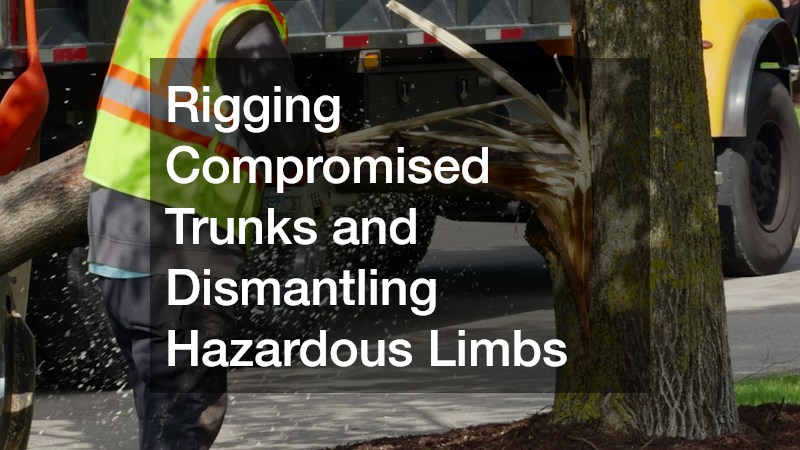
Mature trees provide shade, improve curb appeal, and support local ecosystems, but overgrown canopies near residential structures introduce substantial physical risks. During severe windstorms, heavy snowfall, or freezing rain events, overextended limbs experience extreme mechanical torque. Dead wood, decayed forks, and weakly attached branch unions can shear off without warning, crushing roof rafters, puncturing shingles, or severing overhead electrical service drops. Furthermore, trees suffering from root decay or internal trunk rot pose catastrophic fall hazards, threatening to crush home structures or damage underground utility lines if brought down by seasonal storms.
Safely taking down unstable trees in tight residential quarters requires technical arboricultural expertise, heavy equipment, and precise aerial rigging. Calling established tree removal companies ensures that hazardous trees near buildings and utility wires are safely dismantled section by section using specialized cranes, bucket trucks, and lowering ropes. Certified arborists evaluate trunk lean, identify hollow cavities, and control limb descent with friction-braking systems to avoid damaging roofs, lawn features, or perimeter fences. Grinding down remaining stumps below grade and backfilling cavities with rich topsoil removes subterranean trip hazards, eliminates pest habitats, and readies the yard for fresh landscaping.
Preserving the structural durability, daily comfort, and market value of a residence requires an integrated maintenance strategy that unites interior living spaces with exterior building defenses. From upgrading indoor plumbing lines and servicing laundry appliances to applying durable concrete floor coatings, balancing overhead garage doors, and engineering custom swimming pool basins, each targeted project protects structural framing and improves daily life. Concurrently, replacing worn roof shingles, securing perimeter fence boundaries, pumping and installing modern septic tanks, aerating residential lawns, and safely taking down hazardous trees shields the property against water damage, structural rot, and utility breakdowns.
Transitioning from stressful emergency repairs to a planned, preventative maintenance schedule saves property owners money and prevents minor component wear from turning into severe structural damage. By learning to identify early warning signs of mechanical wear, scheduling regular seasonal checkups, and working with licensed trade craftspeople for technical updates, homeowners can safeguard their investment. Approaching property defense and indoor remodeling with careful planning and quality craftsmanship ensures that your residence remains secure, comfortable, and energy-efficient through every season.