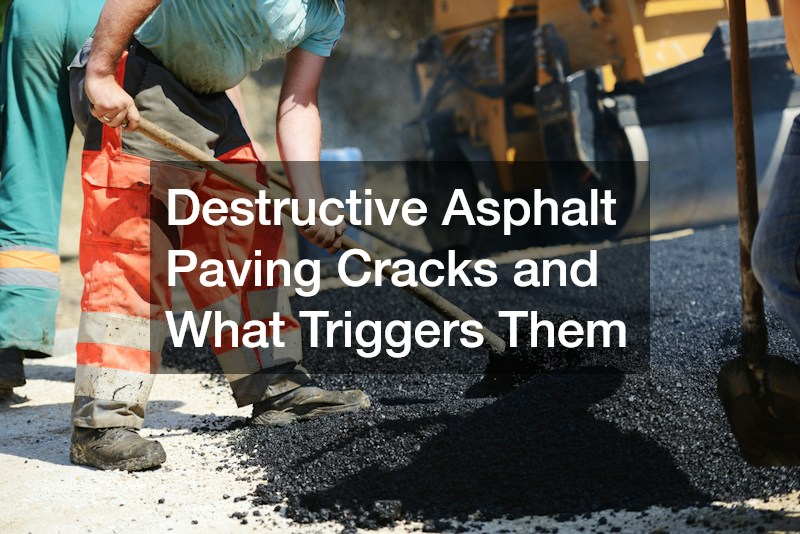
Smooth, rich-black pavement provides undeniable curb appeal, structural safety, and efficient traffic management for residential driveways and commercial parking facilities alike. However, when the structural integrity begins to falter, surface deterioration develops swiftly. For reliable infrastructure, proper asphalt paving requires durable foundational aggregate, high-performance binders, and careful compaction. Without regular care, external environmental factors, relentless traffic friction, and fluctuating seasonal elements create stress patterns that show up as visible fractures across the surface.
Addressing small fissures early prevents water from reaching sub-base levels, which causes serious foundational damage. Understanding the root causes behind various fractures helps property managers and homeowners intervene effectively before total structural replacement becomes necessary.
Understanding Asphalt Distress: The Root Causes and Fracture Types
Asphalt is flexible pavement engineered to adjust slightly under regular wheel loads and variable temperatures. However, specific failure points trigger different types of cracking, each signaling a distinct structural or environmental challenge.
One of the most severe structural warnings is alligator cracking, named after its characteristic interconnected pattern resembling reptilian skin. These cracks stem primarily from excessive load stress placed on an unstable or saturated subgrade. When heavy trucks repeatedly drive over sections where the underlying aggregate base has weakened, the surface flexes beyond its structural threshold. As the asphalt tensile strength breaks down, tiny micro-cracks form beneath the surface, gradually working upward until the pavement fractures completely.
Temperature fluctuations pose a constant challenge to pavement elasticity. As temperatures rise, asphalt expands; when temperatures drop significantly, the material contracts. Over time, repeated contraction cycles generate tensile stress that exceeds the binder’s elasticity, creating transverse cracks that run perpendicular to the roadway centerline. In prolonged heat, binder oxidation strips away the asphalt oils, drying out the pavement matrix and making it brittle enough to fracture during rapid cold snaps.
Block cracks manifest as large rectangular patterns across the asphalt surface. Unlike load-associated alligator fractures, block cracking typically indicates an aged, stiffened binder or insufficient traffic kneading to keep the asphalt flexible. When an installation experiences aggregate drying or incorrect asphalt binder grades during installation, massive square grids develop across the pavement surface regardless of the vehicle weight passing overhead.
Longitudinal cracks run parallel to the direction of traffic and often form along weak joint seams between two adjacent paving passes. Conversely, edge cracks form near the outer perimeter of a driveway or lot. These perimeter failures typically result from lack of lateral shoulder support, poor drainage allowing water to soften the edge subgrade, or deep-rooted vegetation leeching moisture from beneath the pavement foundation.
Proactive Preservation: Stopping Moisture Penetration
Water remains the primary catalyst for turning minor hairline surface splits into destructive potholes. Once moisture penetrates an open fissure, it weakens the sub-base aggregate, causing uneven settling under daily vehicle traffic. In regions with intense solar heat, moisture can steam within small voids, accelerating the degradation of the bitumen bonds.
To maintain structural durability, properties benefit immensely from targeted surface maintenance, including:
-
Timely Crack Sealing: Filling active fissures with rubberized hot-pour sealant creates a flexible, watertight membrane that moves with temperature changes while barring moisture from reaching the subgrade.
-
Routine Sealcoating: Applying an asphalt emulsion barrier protects against UV oxidation, oil leaks, and surface weathering, helping to prolong pavement flexibility.
-
Drainage Optimization: Maintaining proper surface slopes, functional catch basins, and clearing debris away from edges prevents standing water pools from soaking into the foundational layers.
-
Regular Sweeping and Inspection: Keeping surfaces free of abrasive gravel, standing organic debris, and leaking automotive fluids prevents premature chemical erosion and surface scouring before structural cracks emerge.
Long-Term Pavement Integrity
Pavement preservation always proves far more practical and cost-effective than full reconstruction. Ignoring minor surface fissures invites water down into the underlying stone base, turning hairline stress splits into widespread alligator cracks, deep depressions, and costly potholes. By adopting a proactive maintenance philosophy, property owners effectively extend the functional lifecycle of their driving surfaces by decades while safeguarding curb appeal.
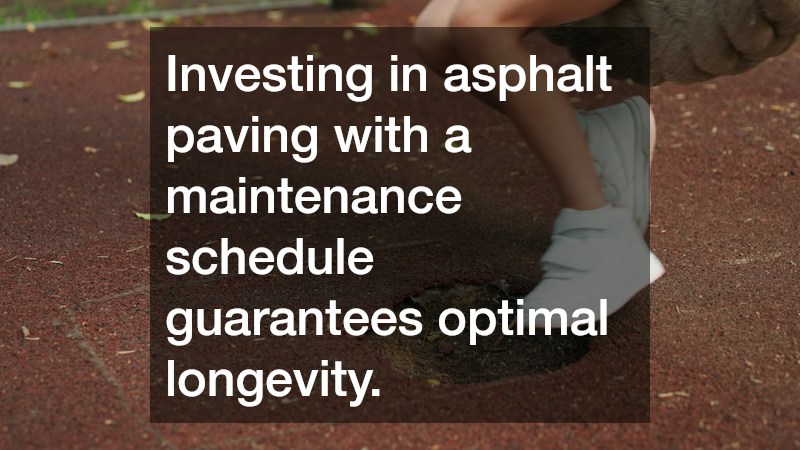
For commercial centers and private residences planning durable infrastructure, investing in precision asphalt paving paired with a vigilant preventive maintenance schedule guarantees optimal longevity. When seeking dependable, resilient asphalt paving in Leander, TX, prioritizing early crack mitigation, proper grading, and routine surface sealing ensures parking surfaces, driveways, and roadways stand resilient against heavy daily traffic and severe regional temperature swings for years to come.