
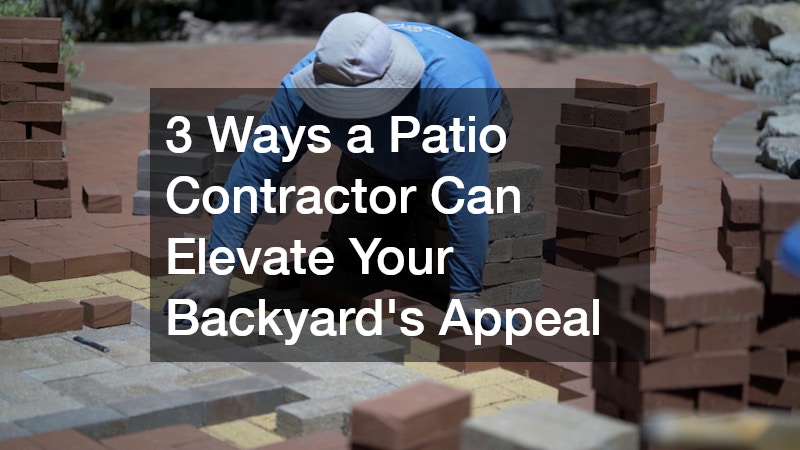
A backyard can be much more than an open patch of grass behind the house. With thoughtful improvements, it can become an inviting place for outdoor meals, quiet mornings, family gatherings, and entertaining guests. A well-designed patio provides the foundation for these activities while giving the yard greater visual structure. Working with a patio contractor can also help homeowners make choices that complement the property’s existing features rather than treating the patio as an isolated addition.
Create a Layout That Complements the Property
One of the smartest ways to improve a backyard is to create a patio layout that works naturally with the home’s architecture and surrounding landscape. Instead of simply choosing the largest available area, a professional can consider the home’s doors, windows, walkways, gardens, trees, and existing outdoor features.
This approach helps create a cohesive transition between indoor and outdoor spaces.
The shape and placement of a patio can also influence how spacious and functional the backyard feels. A rectangular design may provide an organized area for dining furniture, while a curved or multi-level layout can create a more relaxed appearance. A professional can evaluate the available space and recommend dimensions that provide enough room for furniture and movement without overwhelming the yard.
Material selection is another important part of the overall design. Concrete, pavers, natural stone, and other surfaces each offer different colors, textures, maintenance requirements, and design possibilities. A patio expert can help coordinate these characteristics with the home’s exterior, landscaping, and other hardscaping elements. The result can feel like a natural extension of the property rather than an afterthought.
Add Features That Improve Outdoor Living
A patio becomes more appealing when it is designed around the way homeowners actually intend to use the space. For example, homeowners who frequently host guests may benefit from a larger dining area, built-in seating, or a designated space for an outdoor kitchen. Someone looking for a peaceful retreat might prioritize comfortable seating, surrounding plantings, or a fire feature that creates a welcoming atmosphere.
Lighting can further enhance the usability and appearance of an outdoor living area. Pathway lights, accent lighting, and fixtures around seating areas can make the patio more inviting after sunset while improving visibility. Strategically placed lighting can also highlight architectural details, landscaping, or other features that homeowners want to emphasize.
Shade is another practical consideration. Pergolas, umbrellas, covered extensions, and strategically positioned structures can make an outdoor area more comfortable during sunny weather. A patio contractor can help determine how these additions should fit within the overall layout. Thoughtful placement can provide relief from direct sunlight without making the patio feel enclosed or disconnected from the rest of the yard.
Coordinate the Patio With the Landscape
The patio should work with the surrounding landscape instead of competing with it. Incorporating planting beds, trees, shrubs, or decorative containers around the perimeter can soften hard surfaces and create a more established appearance. The right combination of greenery and hardscaping can also help define different areas of the backyard without requiring walls or large structures.
Drainage and grading deserve attention as well. Water that collects near the patio can create stains, surface deterioration, slippery conditions, and problems for nearby landscaping. Proper grading can encourage water to move away from the home and toward suitable drainage areas. Addressing these details during construction can contribute to a more functional outdoor space and help prevent avoidable maintenance concerns.
A professional patio contractor can also consider how the space may serve the household as needs change. Leaving room for additional furniture, planters, a grill, or future landscaping can make the design more adaptable. Rather than focusing only on immediate appearance, homeowners can create a backyard that remains useful and visually balanced as they make additional improvements.

Elevating a backyard does not necessarily require a complete landscape renovation. A thoughtfully planned patio can provide a strong foundation for outdoor living while improving the property’s appearance and functionality. By creating a complementary layout, incorporating practical features, and coordinating the design with the surrounding landscape, homeowners can turn an ordinary backyard into a more inviting destination for everyday activities and special occasions. Careful planning also helps ensure that the finished space feels intentional, comfortable, and suited to the home’s unique character.